
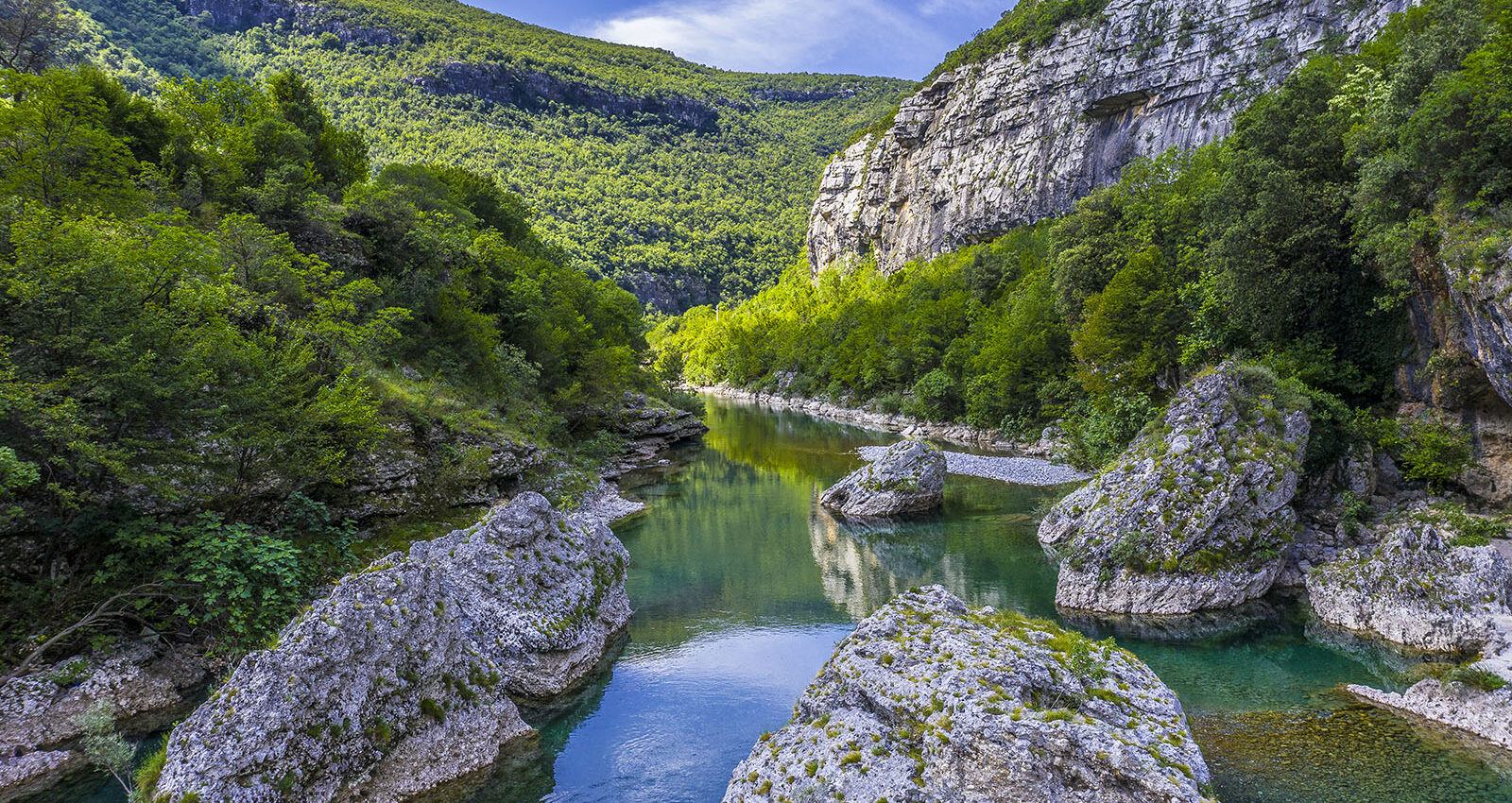
At first glance, Cijevna Canyon captivates visitors with its steep cliffs, emerald river and impressive landscapes. Yet behind this distinctive scenery lies a rich and diverse world of mammals, birds, amphibians and reptiles, making the area one of the most important wildlife refuges near Podgorica. The combination of river, forests, rocky terrain and numerous caves provides a home for species adapted to the canyon’s unique conditions.
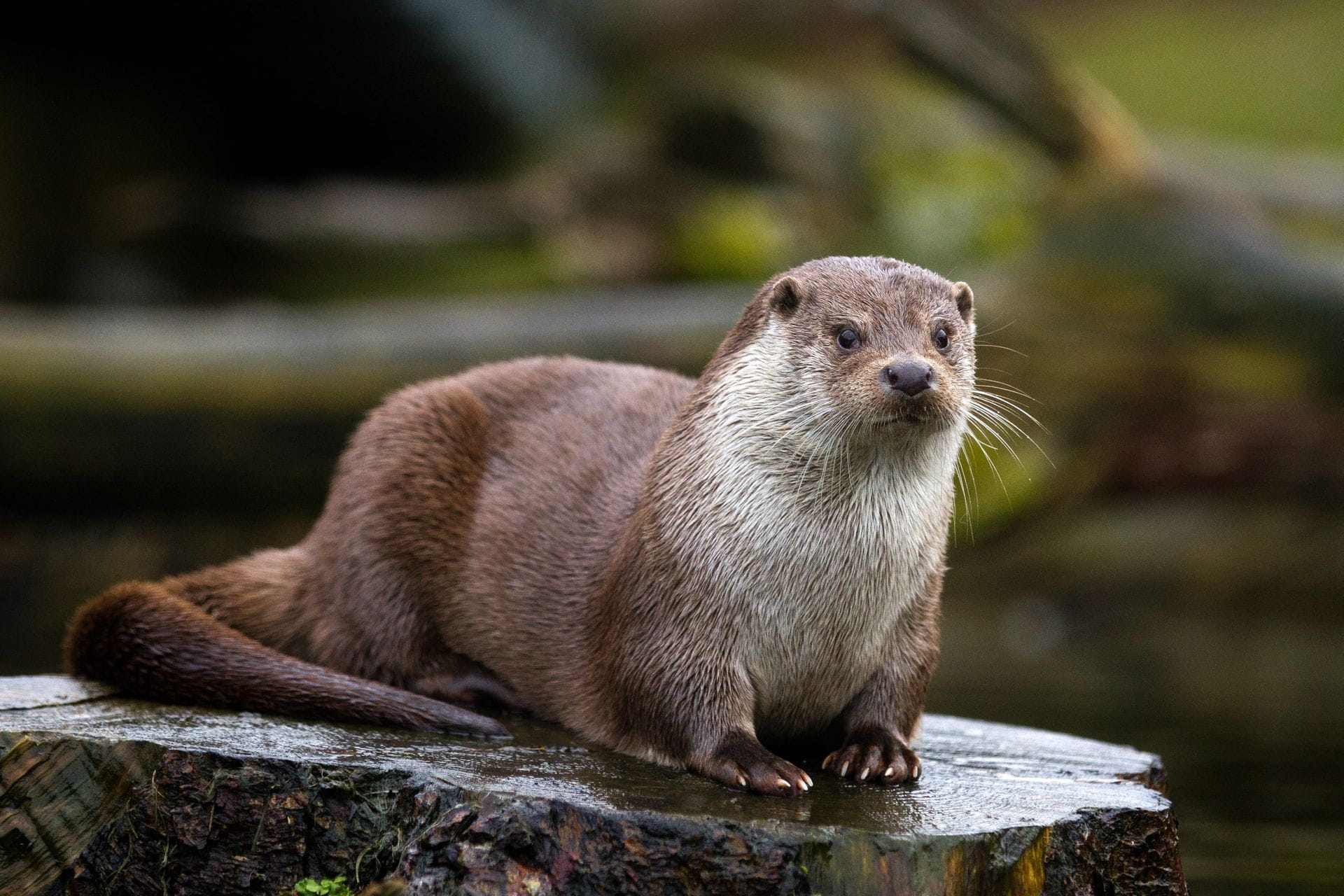
Among the canyon’s most fascinating inhabitants is the otter, one of Europe’s rarest and most threatened mammal species. Its presence is a reliable sign that the Cijevna River has retained high natural quality. Otters spend most of their lives hidden from view and are rarely seen even by regular visitors.
While life beside the river remains largely hidden, a very different story unfolds high on the rocky cliffs. The Balkan chamois lives there, one of the most characteristic animals of the Balkan mountains. Its ability to move across almost vertical rock faces inspires admiration, while its presence confirms that the canyon still offers the peaceful, well-preserved habitats needed by sensitive mountain wildlife.
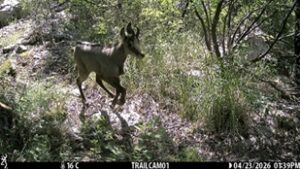
Many other mammals inhabit the canyon’s forests and rocky terrain. Wildcats, foxes, badgers, stone martens and hares are mainly active at dusk or at night and are therefore rarely seen by visitors. However, camera traps deployed during surveys have recorded their presence, showing that the canyon is an important corridor for the movement and feeding of numerous species.
Bats are a particularly fascinating part of Cijevna’s fauna. Although often overlooked, they play an extremely important role in nature, consuming thousands of insects in a single night. Surveys have shown that the canyon is used by many bat species, including species of international conservation importance. Caves, rock crevices and quiet canyon sections provide shelter, while the river and riparian vegetation are important feeding and movement corridors. Interestingly, according to local knowledge, the wider Cijevna area contains more than one hundred caves and shafts. Many remain insufficiently explored and may hold new information about bats and other species using underground habitats. This combination of surface and subterranean environments contributes to the area’s exceptional biodiversity.
Their presence shows that the canyon is far more than an attractive landscape: it is an important wildlife refuge and one of Montenegro’s most valuable natural areas. Protecting it means preserving a home for dozens of species that continue to find suitable conditions for survival here.
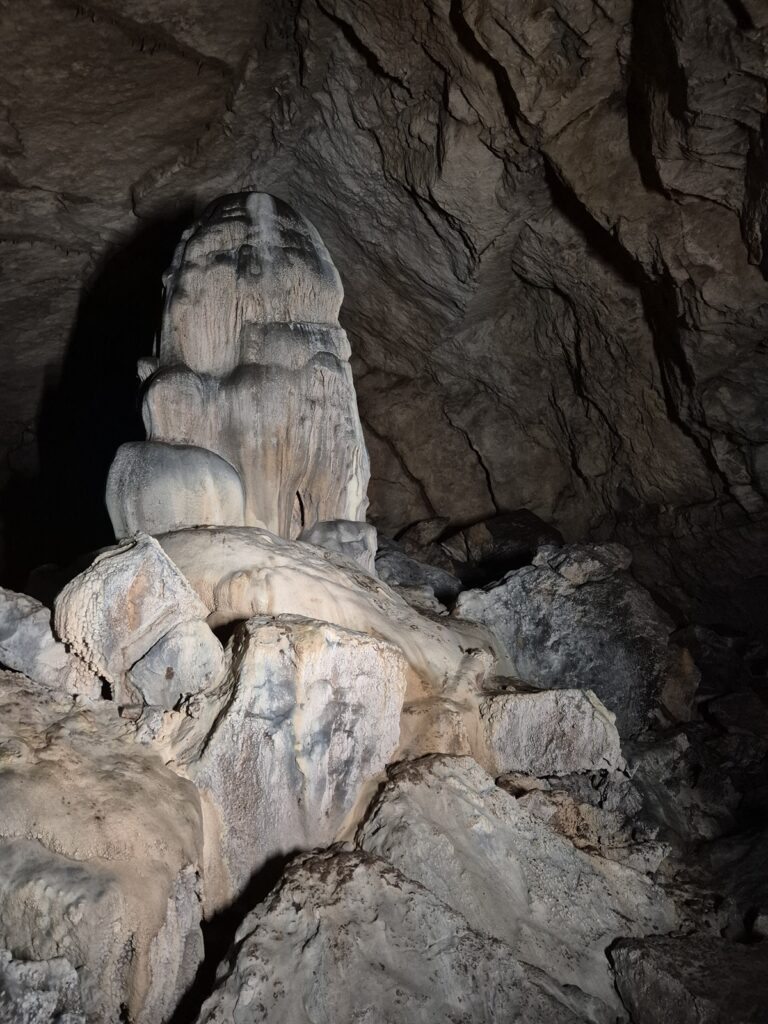
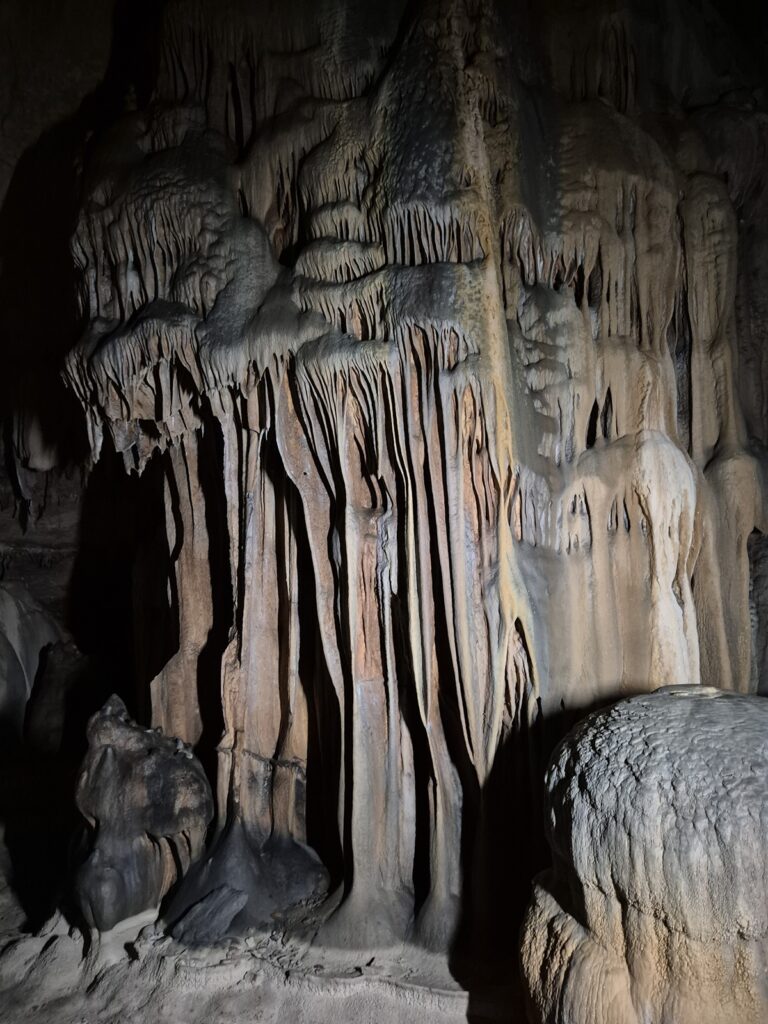
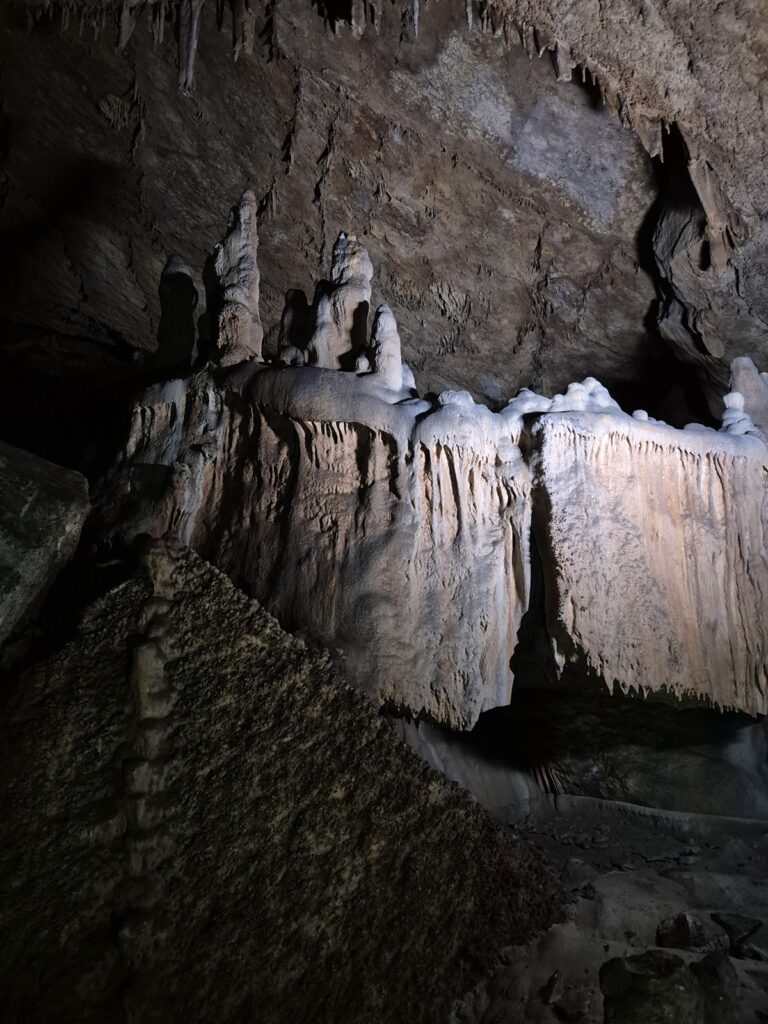
Cat’s cave, habitat of bats, ©Milica Kandić, Parks Dinarides