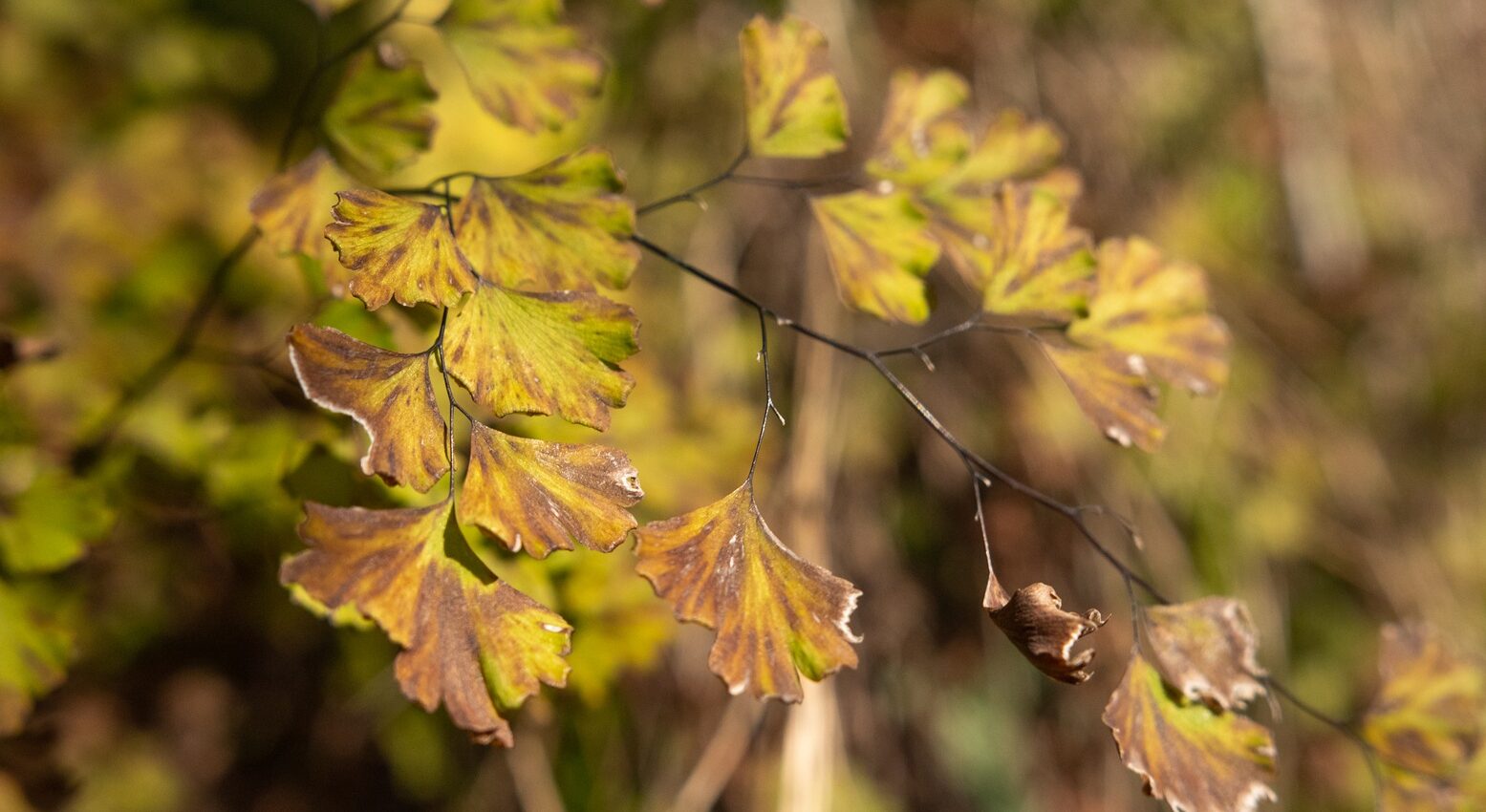
Thanks to its unique combination of climatic, geological and hydrological conditions, Cijevna Canyon is one of Montenegro’s most valuable areas for plant diversity. An exceptionally rich and diverse flora has developed in a relatively small area, combining Mediterranean, sub-Mediterranean and continental elements. Steep cliffs, limestone screes, riverbanks and forest complexes form a mosaic of habitats supporting numerous plant species, including rare, relict and endemic taxa.
A particularly important feature of Cijevna Canyon’s flora is its high degree of endemism. The presence of numerous endemic and relict species confirms its importance as a natural refugium, a sanctuary where plants that disappeared from many other places survived through geological history. These species provide valuable evidence of the historical development of Balkan flora and are the subject of numerous scientific and multidisciplinary studies.
Cijevna Canyon is also one of the few inland areas of Montenegro where strong Mediterranean floral influences have been preserved. Among its most important natural features are holm oak (Quercus ilex) forests, which are exceptionally well preserved in certain locations and represent a rare example of native Mediterranean vegetation.
A special place in Cijevna Canyon’s flora belongs to Pinguicula hirtiflora, a rare protected butterwort recorded at only a few sites in Montenegro. The unique plant community of maidenhair fern and Pinguicula hirtiflora (Adianto–Pinguiculetum hirtiflorae Stevanović & Bulić, 1989), known exclusively from this area, was described in Cijevna Canyon. Owing to its rarity, scientific value and association with specific canyon habitats, Pinguicula hirtiflora has become a recognisable symbol of Cijevna Canyon and one of the most important representatives of its unique natural heritage.
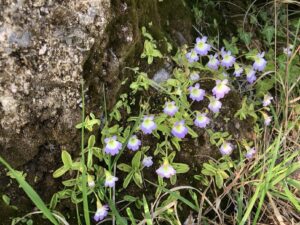
Pinguicula hirtiflora – ©Montenegrin Ecological Society
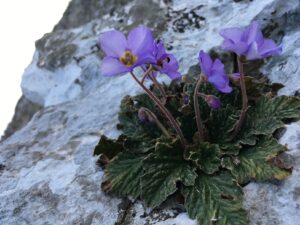
Ramonda serbica – ©Montenegrin Ecological Society
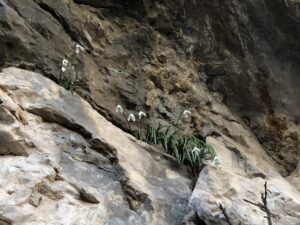
Galanthus nivalis – ©Montenegrin Ecological Society